Recycling and Sustainability at Gardening Services Elephant and Castle
 Gardening Services Elephant and Castle is committed to a greener future through practical recycling and sustainability measures across all garden projects. Our approach to eco-friendly waste disposal focuses on reducing landfill, increasing reuse, and turning organic residues into useful resources. Whether clearing a communal garden, maintaining private plots, or managing bulky garden waste, we prioritise low-impact solutions that align with the boroughs' approach to waste separation and local environmental policy.
We set an ambitious recycling percentage target to drive continuous improvement: 75% of all garden waste and site-derived materials recycled by 2026, rising to 85% by 2030. This target covers green waste (prunings, grass cuttings, leaves), timber and untreated wood, soil and stone where appropriate, and the segregation of non-organic items such as metals, plastics and glass. Our diversion strategy works hand-in-hand with Southwark and neighbouring borough systems that already separate food, dry recycling and garden waste streams.
 We coordinate collections so that recyclable streams are kept clean and useful; contaminants are minimised through on-site sorting and clear labelling. Our crews are trained to spot items suitable for reuse, for safe composting, or for onward transfer to specialist processing facilities. By matching our work to the boroughs' waste separation rules — which typically distinguish general refuse, mixed recyclables, food scraps and green garden waste — we reduce the risk of cross-contamination and help increase overall recycling rates.
Local transfer stations and responsible disposal
We use authorised local transfer stations and materials recovery facilities in the Southwark, Lambeth and nearby boroughs to process separated loads. These transfer hubs accept garden arisings, timber, soil and inert materials and route them to composting facilities, wood recycling plants and aggregate reclaimers. By choosing local transfer stations we minimise haulage distances, reduce vehicle emissions, and keep valuable organic matter circulating in the urban green economy.Our operational plan includes scheduled drop-offs at council-approved sites and partnership depots. For customers who want extra transparency we can provide destination summaries showing how loads were redirected — composted, shredded for mulch, reused as turf substrate or sent for specialist recycling. These processes contribute to meeting our sustainable rubbish gardening area ambitions and demonstrate accountable waste stewardship in Elephant and Castle.
Low-carbon logistics and fleet
We operate a low-carbon fleet that blends electric vans, plug-in hybrids and efficient Euro-6 vehicles to keep emissions low during collections and deliveries. Our route planning software optimises journeys to transfer stations and recycling points to reduce mileage. In dense urban stretches around Elephant and Castle we deploy electric vans and cargo bikes where possible — cutting noise, tailpipe emissions and congestion while supporting our eco-friendly waste disposal promise.Collaboration is central to our sustainability model. We have established partnerships with local charities and community organisations to extend the life of reusable items from garden clearances. These relationships include collaboration with community gardens, allotment networks, The Conservation Volunteers (TCV) and local social enterprises that accept plantable pots, sound timber pallets and usable tools. Through these partnerships we divert items from the waste stream and create community value from otherwise discarded resources.
We also work with reuse platforms and local redistribution schemes to rapidly match quality materials to groups that can make immediate use of them. Typical rehoming activities include donating usable planters and timber to community projects, supplying bulk compost or mulch to urban food-growing groups, and supplying clean soil or aggregate to borough-approved landscaping initiatives. This is an essential part of our sustainable gardening waste approach and helps the wider Elephant and Castle area benefit from regenerative material cycles.
 To support circularity on-site we introduce best-practice waste segregation at the start of every job: clear bins for green waste, dedicated sacks for timber, pallets for salvageable items and labelled containers for mixed recycling. Workers are equipped with training and quick-reference cards that reflect council separation guidance so that our operations remain consistent with local waste management standards. Efficiency, safety and resource recovery are built into each workday.
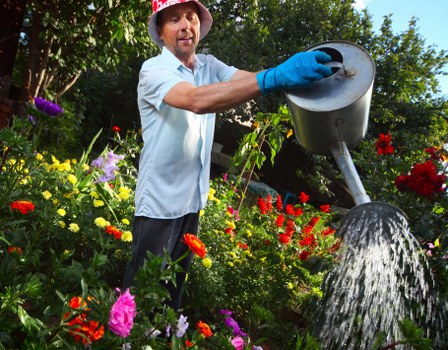 Practical recycling activities we routinely undertake include:
- On-site chipping of branches to produce mulch and woodchip for reuse
- Separating topsoil and clean subsoil for reuse in planting and turf repairs
- Segregating and delivering plastics, glass and metal items to council recycling points
- Collecting and transporting bulky green waste to local composting facilities
We measure progress monthly, tracking tonnes diverted from landfill, volumes composted, and materials reused through charity partners. Our ongoing training programme for operatives supports incremental improvement, and our investment in low-carbon vans demonstrates a long-term commitment to reducing the carbon footprint of garden services in the area. We also embrace seasonal planning to avoid peak-hours congestion and to co-ordinate with borough collections where applicable.
By choosing Gardening Services Elephant and Castle for your garden project you are supporting a model of urban horticulture that prioritises sustainable rubbish gardening area management, strong community partnerships and practical recycling targets. Our blend of local transfer station use, charity collaboration, on-site segregation and low-emission logistics creates an integrated green service that turns garden waste into opportunity — keeping Elephant and Castle cleaner, greener and more resource-efficient.